Buying guide
The Best Gaming TVs for PS5 and Xbox Series X
The best TVs for PS5, PS5 Pro, and Xbox Series X in 2026: 4K at 120Hz, VRR, low input lag, and enough HDMI 2.1 ports. Our picks: LG C6, Samsung S90H, and Hisense U8QG.
A current console can push 4K at up to 120 frames per second with variable refresh rate (VRR), but only if the TV on the other end of the cable can keep up. The good news: in 2026, every pick below handles the console checklist. The differences are in the details — how many full-speed HDMI ports you get, how the TV handles HDR in games, and how it copes with hours of static HUDs.
These are editorial picks synthesized from published reviews (including independently measured input lag and motion data from outlets like RTINGS) and manufacturer specs — not our own lab measurements. Prices are approximate 65-inch street figures from our October 5, 2026 research.
The short list
| # | Best for | TV | Est. price | |
|---|---|---|---|---|
| 01 | Best gaming TV overall | 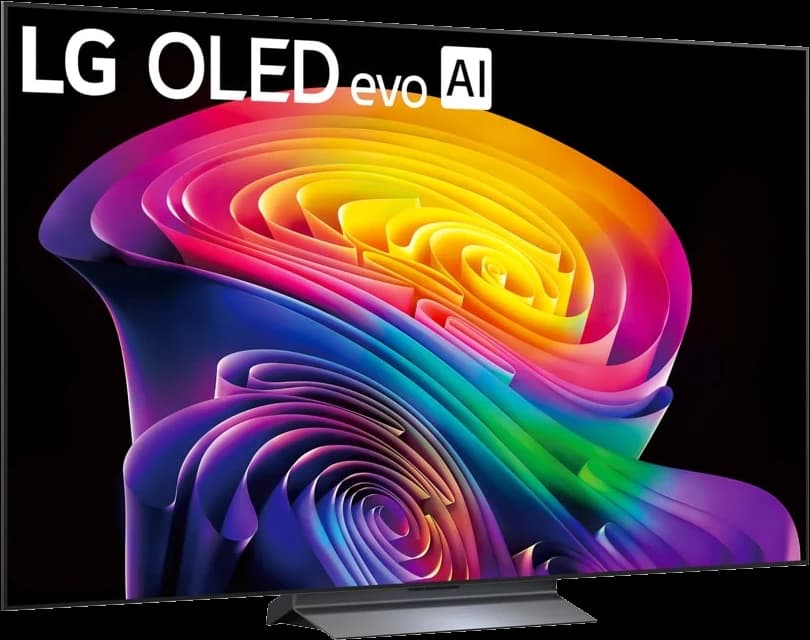 | OLED | ~$1,500 |
| 02 | Best for bright game rooms | 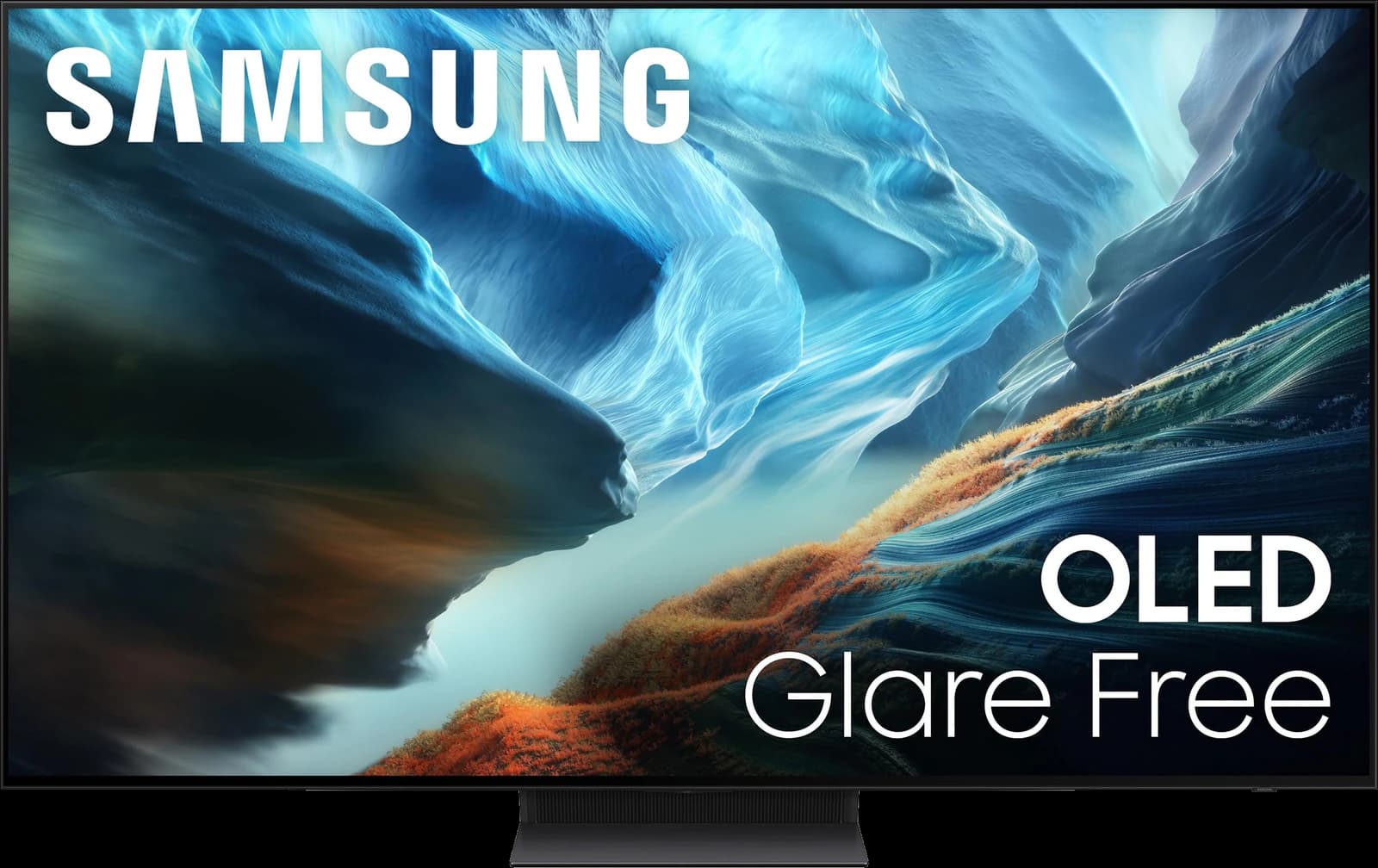 | QD-OLED | ~$2,200 |
| 03 | Best value gaming TV | 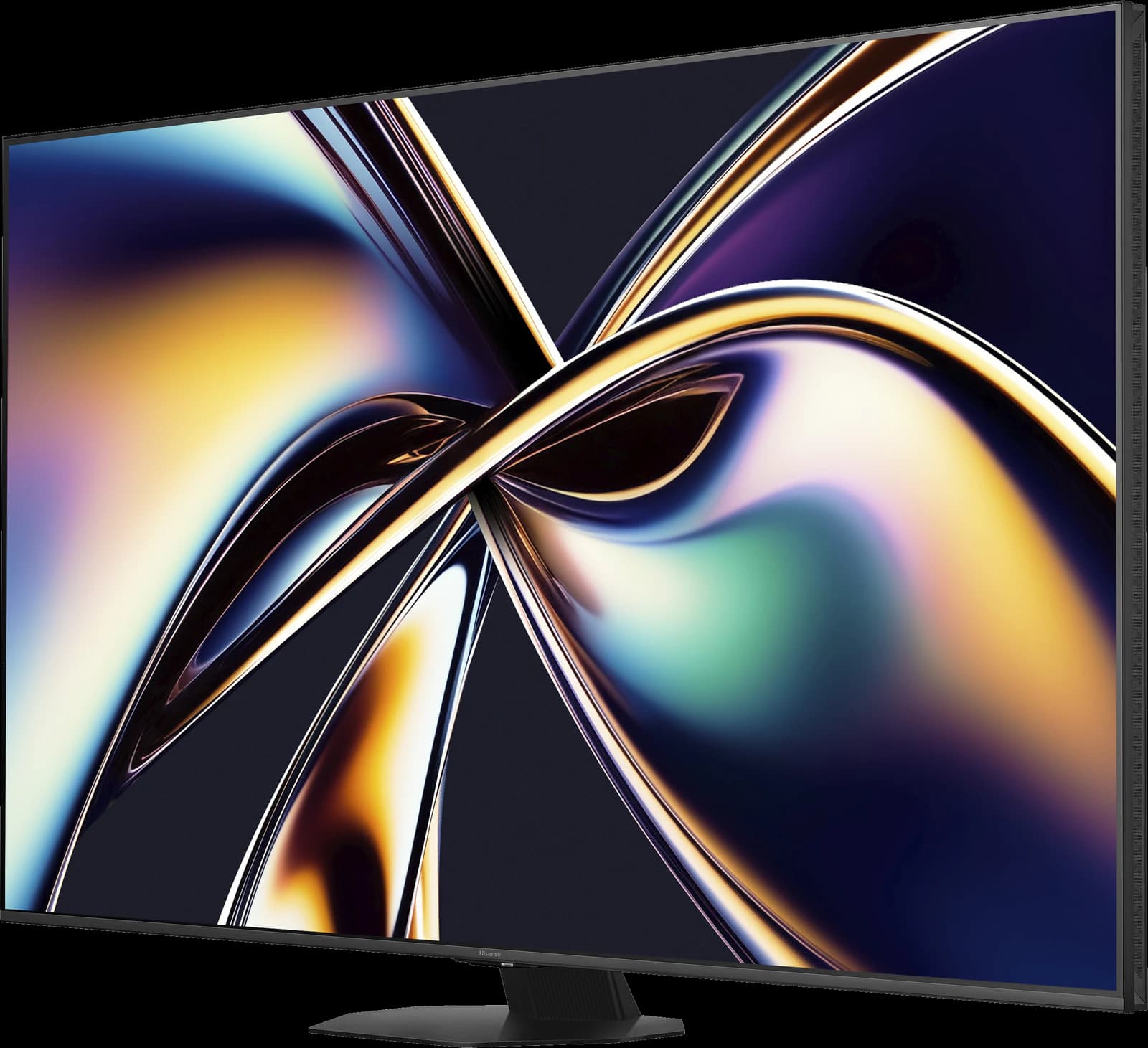 | Mini-LED QLED | ~$1,000 |
Prices are rough street-price estimates, not live quotes.
Ranked
Our picks
- 01
Best gaming TV overall
LG C6 OLED
- OLED
- 2026
- 42–83"
- ~$1,500
Near-instant OLED response, four HDMI 2.1 ports, VRR with G-Sync and FreeSync support, and a 165Hz panel for PC — still the reference gaming TV at a sane price.
Highlights
- Highlight: Per-pixel OLED contrast with perfect blacks for dark-room movies
- Highlight: Four HDMI 2.1 ports with up to 4K/165Hz, VRR, G-Sync, and FreeSync
- Highlight: Dolby Vision (including Dolby Vision gaming on Xbox) plus Filmmaker Mode
- Highlight: Alpha 11 AI Processor Gen3 and a mature webOS platform
Trade-offs
- Trade-off: Not as bright as mini-LED or glare-free QD-OLED rivals in a sun-filled room
- Trade-off: Glossy screen can pick up reflections in bright rooms
- Trade-off: Static logos left on for many hours a day carry a small long-term burn-in risk
- Bright room
- 3 out of 5
- Dark room
- 5 out of 5
- Movies
- 5 out of 5
- Sports
- 4 out of 5
- Gaming
- 5 out of 5
- Value
- 4 out of 5
Editorial fit scores, 1–5 — not lab measurements.
Check priceAffiliate link — opens a retailer search.
- 02
Best for bright game rooms
Samsung S90H OLED
- QD-OLED
- 2026
- 42–83"
- ~$2,200
QD-OLED color and brightness with a glare-reducing screen, a 165Hz refresh rate, and a polished game bar — a great choice if your console lives in a sunny room.
Highlights
- Highlight: QD-OLED color volume with Glare Free tech on the S90H
- Highlight: Motion Xcelerator up to 165Hz with G-Sync and FreeSync Premium Pro
- Highlight: Four HDMI 2.1 ports and a polished Game Bar
- Highlight: Strong HDR punch for mixed lighting versus a traditional WOLED
Trade-offs
- Trade-off: No Dolby Vision — HDR10+ and HDR10 only on Samsung sets
- Trade-off: Tizen is polarizing; some prefer webOS or Google TV
- Trade-off: Panel type can vary by size/region historically — confirm the listing
- Bright room
- 4 out of 5
- Dark room
- 5 out of 5
- Movies
- 5 out of 5
- Sports
- 4 out of 5
- Gaming
- 5 out of 5
- Value
- 4 out of 5
Editorial fit scores, 1–5 — not lab measurements.
Check priceAffiliate link — opens a retailer search.
- 03
Best value gaming TV
Hisense U8QG
- Mini-LED QLED
- 2025
- 55–85"
- ~$1,000
A very bright 165Hz mini-LED for around $1,000 at 65 inches. No burn-in worries, which matters if you play the same HUD-heavy game for hours.
Highlights
- Highlight: Very high peak brightness with dense local dimming for the price
- Highlight: Native high refresh (up to 165Hz class) with strong VRR support
- Highlight: Dolby Vision IQ plus HDR10+
- Highlight: Aggressive street pricing, especially at 65–75 inches
Trade-offs
- Trade-off: Smart-platform polish trails LG/Sony
- Trade-off: Off-angle color shift is more noticeable than wide-angle OLEDs
- Trade-off: Blooming on tough contrast scenes versus OLED
More views
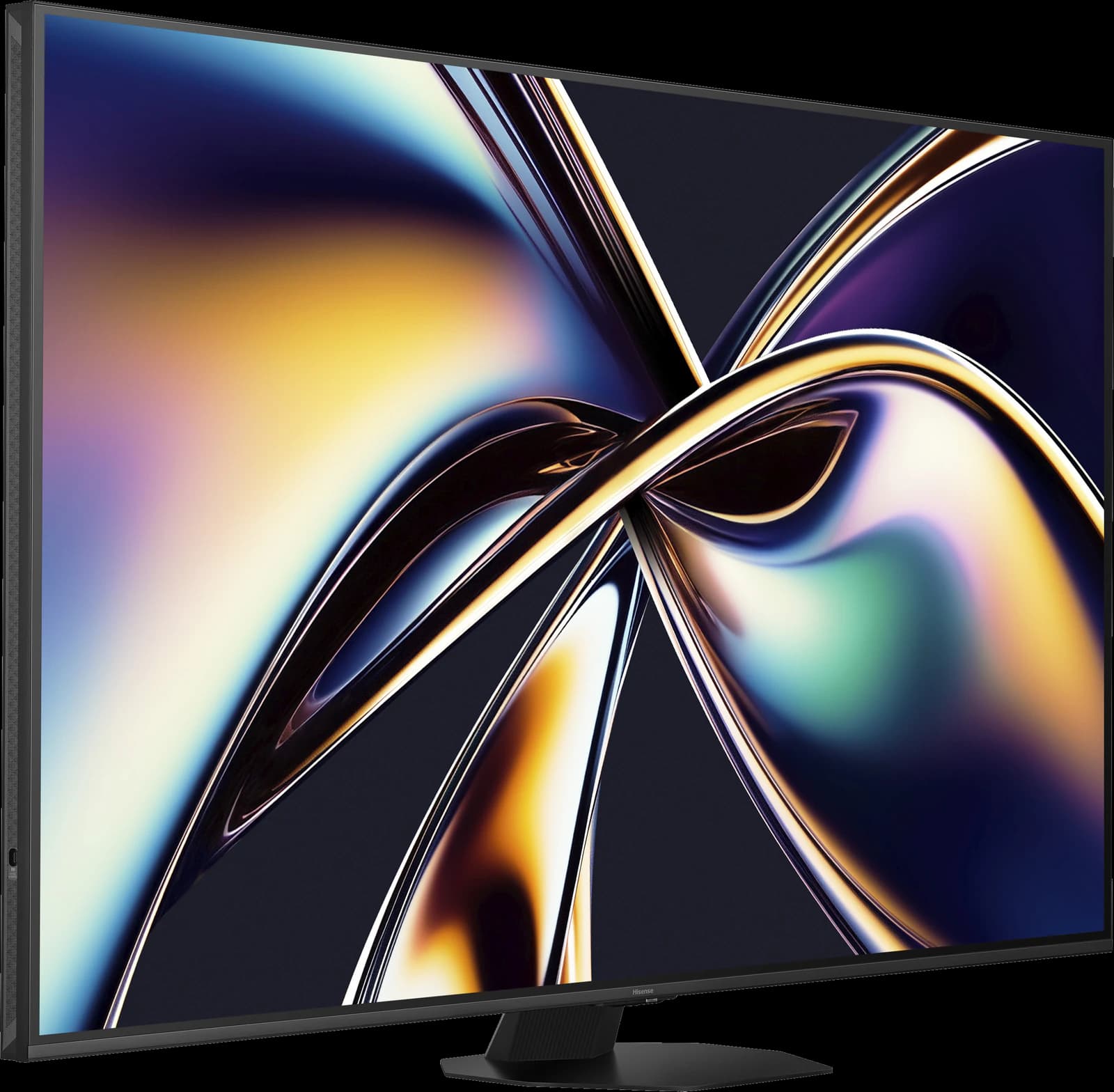
Images: Hisense
- Bright room
- 5 out of 5
- Dark room
- 4 out of 5
- Movies
- 4 out of 5
- Sports
- 5 out of 5
- Gaming
- 5 out of 5
- Value
- 5 out of 5
Editorial fit scores, 1–5 — not lab measurements.
Check priceAffiliate link — opens a retailer search.
The console checklist
For a PS5, PS5 Pro, or Xbox Series X, these are the features that actually change what you see and feel:
- 4K at 120Hz: needs an HDMI 2.1 port. Many games offer a 120Hz "performance" mode.
- VRR (variable refresh rate): smooths out frame-rate dips without tearing. Both consoles support HDMI VRR.
- ALLM (auto low latency mode): the TV switches to game mode automatically when the console starts.
- Low input lag in game mode: all three picks are very responsive, per published measurements.
- Enough HDMI 2.1 ports: two consoles plus a soundbar on eARC can exhaust a TV with only two full-speed ports.
OLED vs mini-LED for gaming
OLED pixels switch almost instantly, so fast motion looks very clean, and dark game worlds get true black. The trade-off is burn-in risk with static elements — health bars, minimaps, scoreboards — if you play the same game for many hours a day. Modern OLEDs have mitigation features, and for varied play it's a small risk, but it's real.
Mini-LEDs like the Hisense U8QG are brighter, which makes HDR games pop in a lit room, and they can't burn in. The trade-offs are slower pixel response (a touch more blur in fast motion) and some blooming around bright HUD elements on dark backgrounds.
HDR formats and consoles
The Xbox Series X can output Dolby Vision for games; the PS5 uses HDR10. LG's OLEDs support Dolby Vision gaming. Samsung TVs don't support Dolby Vision at all — they use HDR10+ instead, including HDR10+ Gaming on supported titles — so an Xbox owner who cares about Dolby Vision should lean LG. For PS5 owners, it makes no difference.
Whichever TV you buy, run the console's HDR calibration once, and turn on HGIG (or the equivalent) on the TV if your games look washed out or clipped.
Watch the port count on Sony TVs
Sony's Bravia TVs — including the Bravia 5, Bravia 8 II, and Bravia 9 II — have only two HDMI 2.1 ports, and one of them doubles as the eARC port for a soundbar. If you have one console and use TV speakers or eARC, that's fine; with two consoles and a soundbar, you'll be juggling. Sony also adds PS5-specific conveniences like Auto HDR Tone Mapping.
PC gaming on a TV
For a gaming PC, refresh rate matters more than it does for consoles. The LG C6 and Samsung S90H go up to 165Hz, as does the Hisense U8QG — a meaningful step up in smoothness over a 120Hz TV for competitive games. If you'll use the TV as a desktop monitor with static taskbars for hours, a mini-LED avoids burn-in concerns.
Frequently asked questions
Do I need a 144Hz or 165Hz TV for PS5 or Xbox?
No. Current consoles top out at 120Hz, so any TV with 4K/120Hz support over HDMI 2.1 is enough. Refresh rates above 120Hz only benefit PC gaming.
Is OLED burn-in a problem for gaming?
For varied gaming and TV watching, it's a small risk on modern OLEDs. If you play one game with a static HUD for many hours every day, or use the TV as a PC monitor, a mini-LED like the Hisense U8QG removes the worry.
Which is better for gaming, the LG C6 or Samsung S90H?
They're very close. The LG C6 supports Dolby Vision (useful on Xbox) and is often cheaper; the Samsung S90H is brighter with a better anti-glare screen. See our LG C6 vs Samsung S90H comparison for the full breakdown.
Do I need a special HDMI cable?
For 4K at 120Hz, use an Ultra High Speed HDMI cable (the one that came with your console qualifies) and plug into a port the TV labels as 4K/120 or HDMI 2.1.
Related guides
Disclosure: Our picks are independent and editorial — a synthesis of public reviews and specs, not our own lab measurements. We may earn a commission from qualifying purchases made through links on this page, at no extra cost to you.