Buying guide
The Best TVs for Watching Sports
For sports, you want smooth motion, a bright screen for day games, and a picture that holds up for everyone on the couch. Our 2026 picks: TCL QM8L, Hisense U8QG, and Sony Bravia 5.
Sports are tougher on a TV than most movies. Fast pans and tracking shots expose motion blur and stutter, broadcasts arrive in 720p or 1080i and need to be upscaled, afternoon games happen in bright rooms, and the whole family wants a good view from the corners of the sofa.
Our picks synthesize published professional reviews and manufacturer specs, not our own lab measurements. Prices are approximate 65-inch street figures from our October 5, 2026 research — check the live price.
The short list
| # | Best for | TV | Est. price | |
|---|---|---|---|---|
| 01 | Best overall for sports | 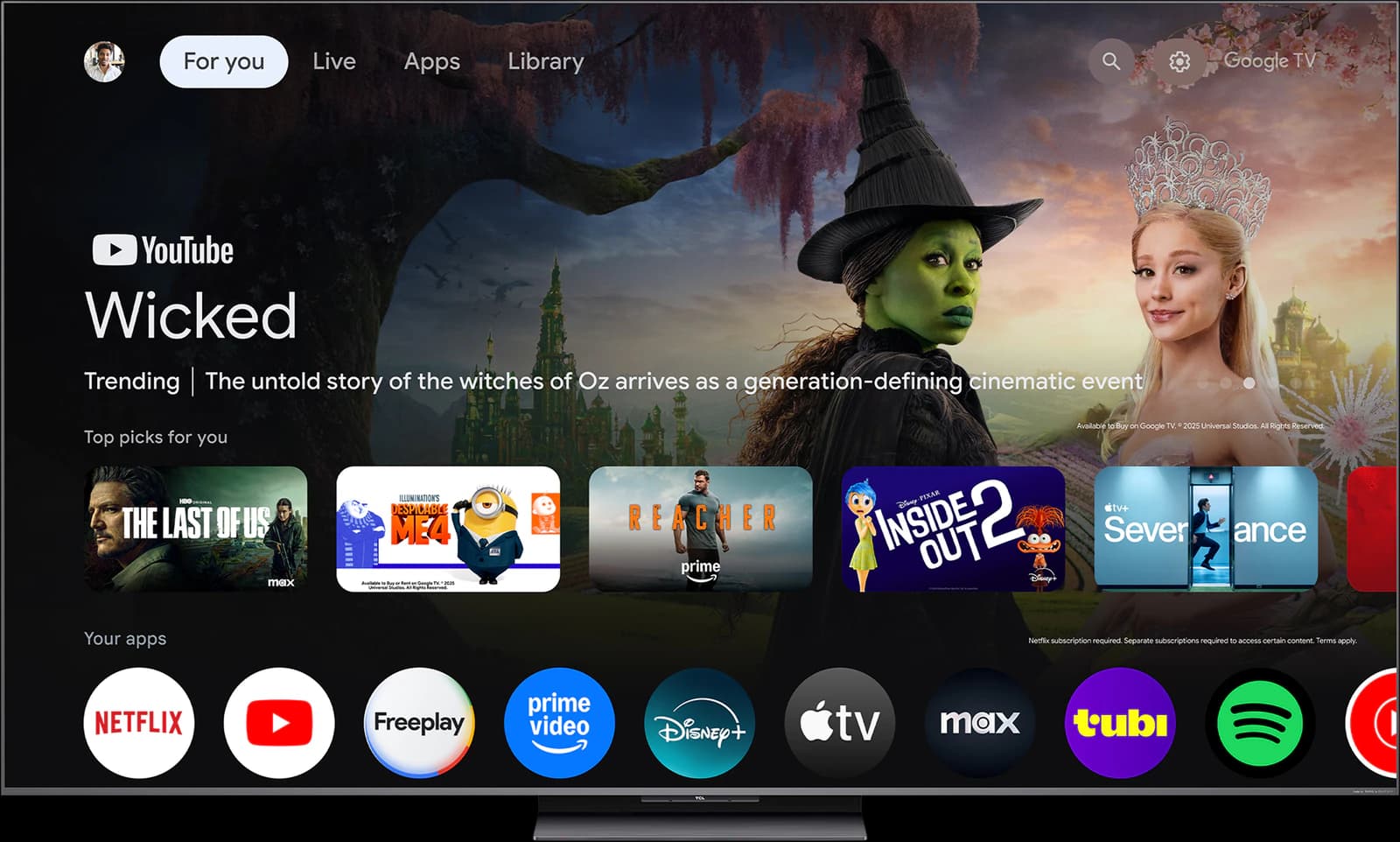 | Mini-LED QLED | ~$1,300 |
| 02 | Best value | 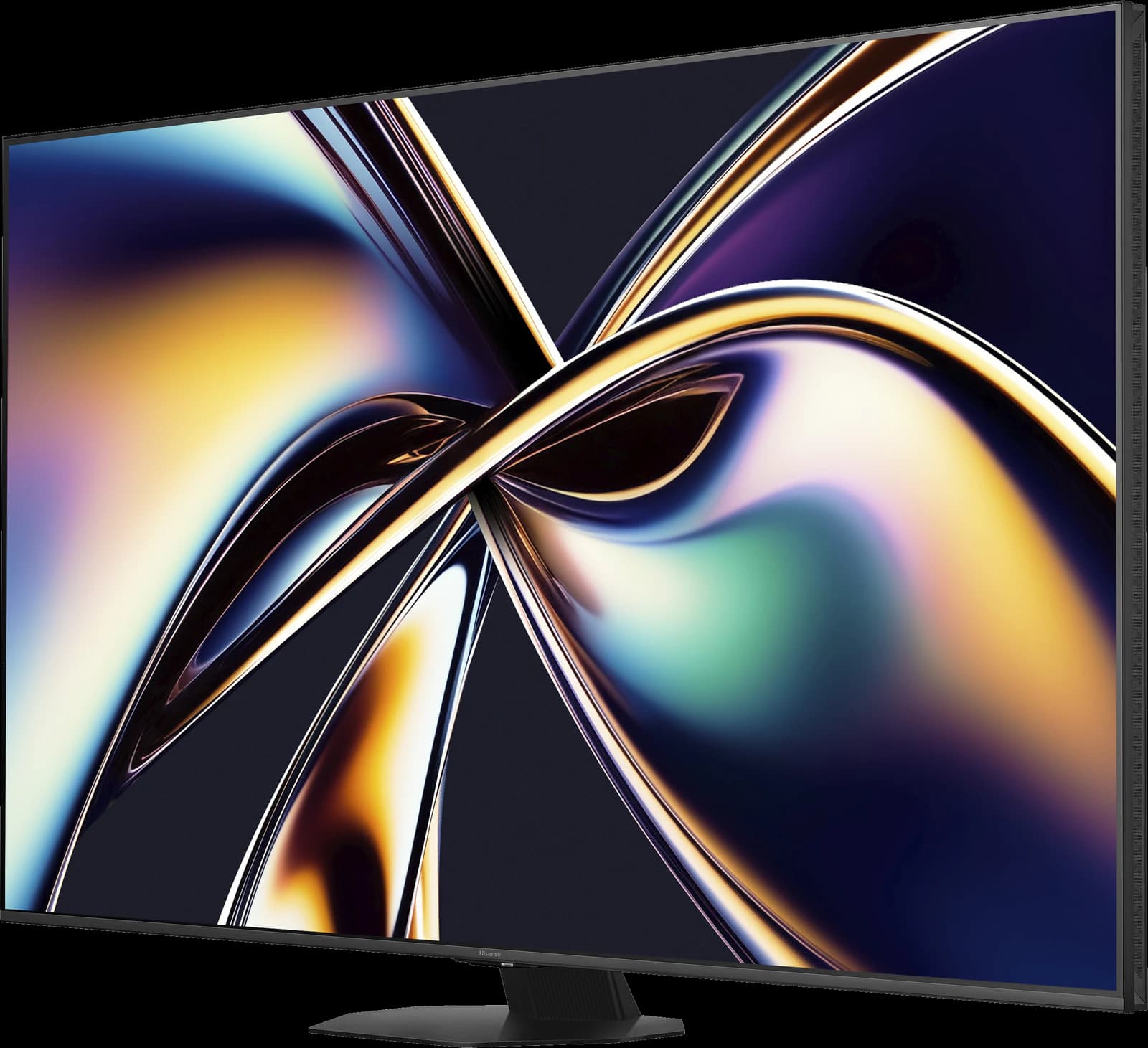 | Mini-LED QLED | ~$1,000 |
| 03 | Best motion and upscaling | 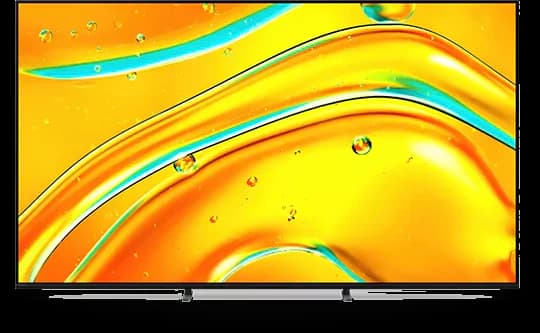 | Mini-LED QLED | ~$1,400 |
Prices are rough street-price estimates, not live quotes.
Ranked
Our picks
- 01
Best overall for sports
TCL QM8L
- Mini-LED QLED
- 2026
- 65–98"
- ~$1,300
Very bright for day games, with smooth motion and big-screen sizes up to 98 inches at prices that make a game-day upgrade realistic.
Highlights
- Highlight: Huge peak brightness and strong local dimming for the money
- Highlight: Available in very large sizes (75/85/98) at aggressive street prices
- Highlight: Good gaming feature set with high refresh and VRR
- Highlight: Google TV with a full streaming app catalog
Trade-offs
- Trade-off: Blooming and viewing angles trail premium OLEDs and Sony processing
- Trade-off: Google TV can feel less polished than webOS on some days
- Trade-off: Build and speakers are value-tier versus flagship brands
More views
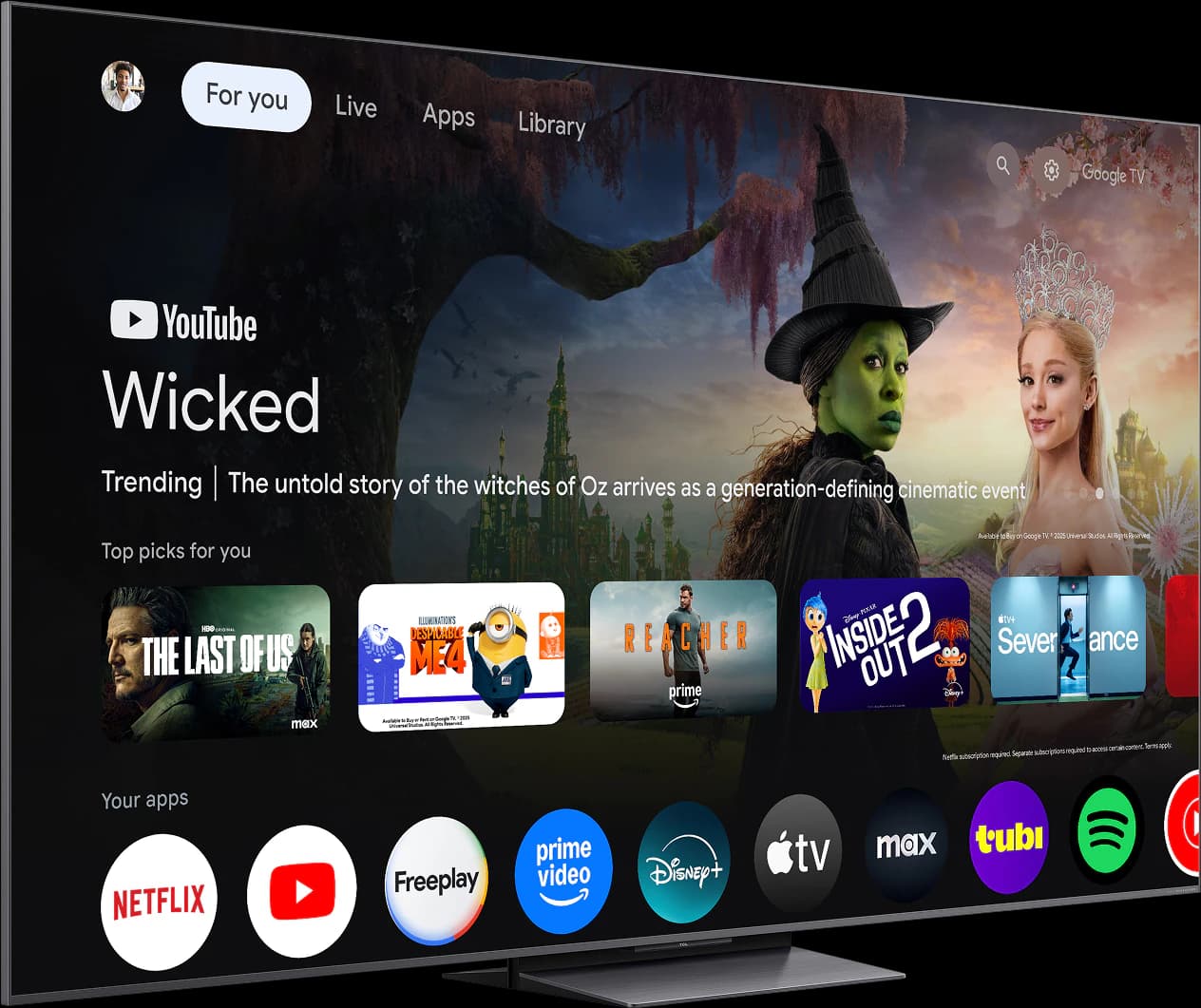
Images: TCL
- Bright room
- 5 out of 5
- Dark room
- 4 out of 5
- Movies
- 4 out of 5
- Sports
- 5 out of 5
- Gaming
- 4 out of 5
- Value
- 5 out of 5
Editorial fit scores, 1–5 — not lab measurements.
Check priceAffiliate link — opens a retailer search.
- 02
Best value
Hisense U8QG
- Mini-LED QLED
- 2025
- 55–85"
- ~$1,000
Huge brightness and a 165Hz panel for around $1,000 at 65 inches — an outstanding sports TV for the money.
Highlights
- Highlight: Very high peak brightness with dense local dimming for the price
- Highlight: Native high refresh (up to 165Hz class) with strong VRR support
- Highlight: Dolby Vision IQ plus HDR10+
- Highlight: Aggressive street pricing, especially at 65–75 inches
Trade-offs
- Trade-off: Smart-platform polish trails LG/Sony
- Trade-off: Off-angle color shift is more noticeable than wide-angle OLEDs
- Trade-off: Blooming on tough contrast scenes versus OLED
More views
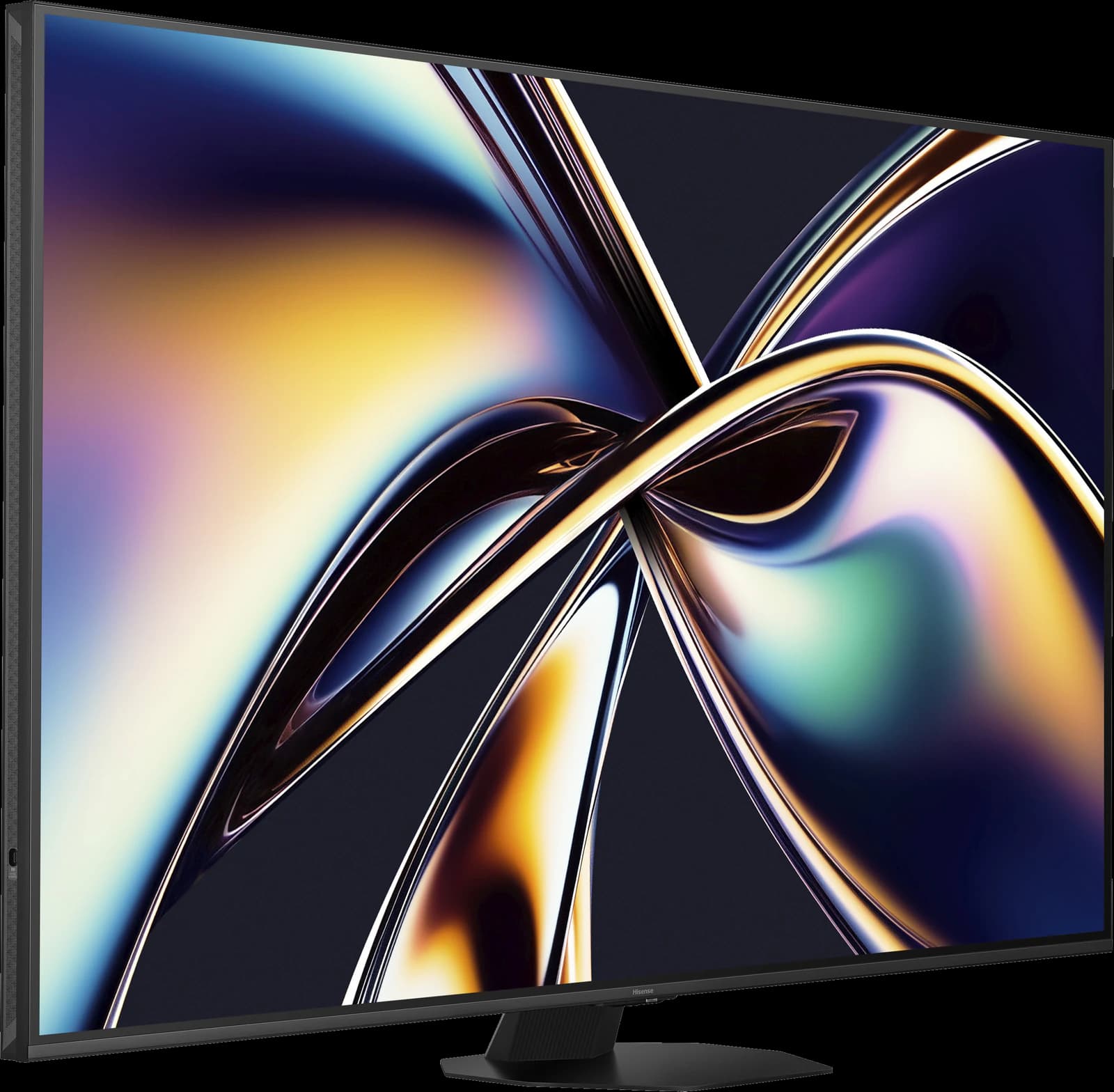
Images: Hisense
- Bright room
- 5 out of 5
- Dark room
- 4 out of 5
- Movies
- 4 out of 5
- Sports
- 5 out of 5
- Gaming
- 5 out of 5
- Value
- 5 out of 5
Editorial fit scores, 1–5 — not lab measurements.
Check priceAffiliate link — opens a retailer search.
- 03
Best motion and upscaling
Sony Bravia 5
- Mini-LED QLED
- 2025
- 55–85"
- ~$1,400
Sony's processing makes low-resolution broadcasts look cleaner and handles fast motion with fewer artifacts than the value brands.
Highlights
- Highlight: Bright mini-LED picture that handles daylight well
- Highlight: Sony upscaling and motion that elevate everyday streaming
- Highlight: Strong sports and movie performance in one set
- Highlight: Google TV and solid (if not class-leading) gaming features
Trade-offs
- Trade-off: Costs more than TCL/Hisense rivals with similar brightness
- Trade-off: Limited HDMI 2.1 count versus LG gaming OLEDs
- Trade-off: Local-dimming blooming can show on tough dark-scene content
More views
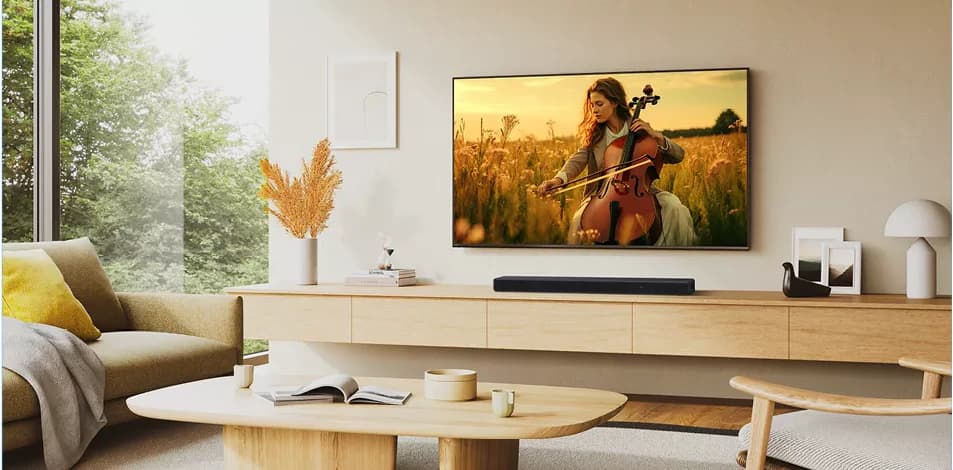
Images: Sony
- Bright room
- 5 out of 5
- Dark room
- 4 out of 5
- Movies
- 5 out of 5
- Sports
- 5 out of 5
- Gaming
- 4 out of 5
- Value
- 3 out of 5
Editorial fit scores, 1–5 — not lab measurements.
Check priceAffiliate link — opens a retailer search.
What matters most for sports
Most sports broadcasts are 60 frames per second, which is great for smoothness but unforgiving of slow pixel response and poor processing. Here's what to prioritize:
- Motion handling: clean fast pans and a ball you can actually track.
- Upscaling: most U.S. cable and streaming sports arrive in 720p or 1080i, not 4K.
- Brightness: afternoon games in a sunny room need a bright screen.
- Viewing angles: a game-day crowd sits all over the room.
Why mini-LED leads for sports
Sports are usually bright, colorful, and watched during the day — exactly where mini-LEDs beat OLEDs. OLEDs look stunning with sports too, especially at night, but channel logos and score bugs that sit in the same corner for hours are the kind of static content that raises burn-in risk if you watch a lot of the same channel.
The main weakness of the mini-LEDs here is viewing angle: picture quality fades for people sitting well off to the side. If your seating is very wide, prioritize a model reviewers single out for good off-angle performance, or consider an OLED.
Settings that make sports look better
A few minutes in the picture menu goes a long way:
- Use a Standard or Sports mode during the day, but turn down any oversharpening.
- Try motion smoothing on a low setting for sports — the "soap opera effect" that's distracting in movies is often welcome in live games.
- Check that your streaming app or cable box outputs at its highest resolution, not a fixed 1080p.
About the video
The embedded video is The Display Guy's review of the TCL QM8L, our top sports pick — a good independent look at its brightness and motion in practice.
Frequently asked questions
Is OLED or mini-LED better for sports?
For daytime sports in a bright room, mini-LED. For night games in a dim room, OLED looks spectacular. If you leave the same sports channel on for hours daily, mini-LED avoids burn-in concerns from static score bugs.
Does refresh rate matter for sports?
A 120Hz-or-faster panel helps motion processing work better, and all our picks qualify. Beyond that, processing quality matters more than the refresh-rate number itself.
What size TV is best for sports?
Bigger than you think. For a sofa 9–10 feet away, 75 inches is where game day starts to feel like being there. Our 75-inch and 85-inch guides cover the best big screens.
Related guides
Disclosure: Our picks are independent and editorial — a synthesis of public reviews and specs, not our own lab measurements. We may earn a commission from qualifying purchases made through links on this page, at no extra cost to you.