Buying guide
The Best TVs for Bright Rooms
Sunny living room? Brightness and anti-glare coatings matter more than perfect blacks. Our 2026 picks: the Sony Bravia 9 II, the TCL QM8L for value, and the glare-free Samsung S95H OLED.
A bright room is the hardest test a TV faces. Daylight washes out dark scenes, windows turn into mirror images on glossy screens, and a TV that looks spectacular in a showroom can look flat at 2 p.m. in your living room. The fix is a combination of raw brightness and a screen that rejects reflections.
These picks synthesize published professional reviews and manufacturer specs; they're not our own lab measurements. Prices are rough 65-inch street estimates from our October 5, 2026 research — always check the live price.
The short list
| # | Best for | TV | Est. price | |
|---|---|---|---|---|
| 01 | Best overall for bright rooms | 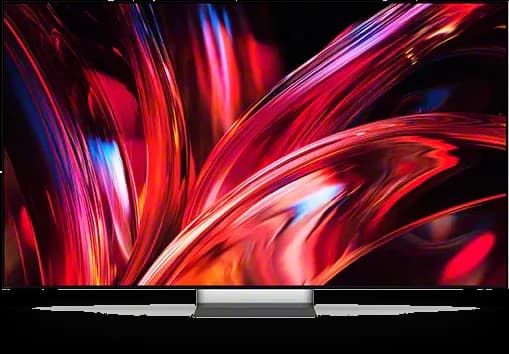 | RGB Mini-LED | ~$3,600 |
| 02 | Best value |  | Mini-LED QLED | ~$1,300 |
| 03 | Best OLED for bright rooms | 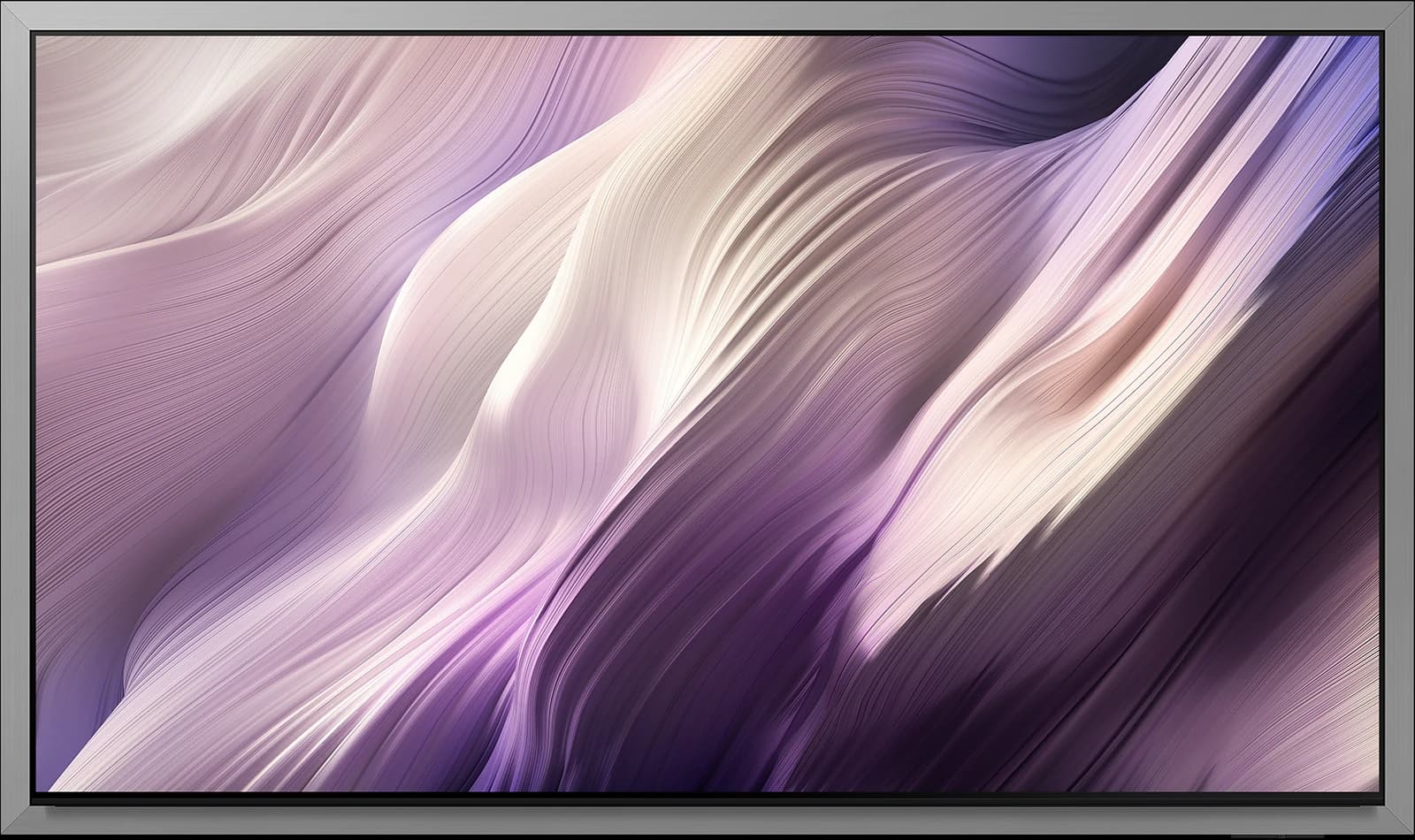 | QD-OLED | ~$3,000 |
Prices are rough street-price estimates, not live quotes.
Ranked
Our picks
- 01
Best overall for bright rooms
Sony Bravia 9 II
- RGB Mini-LED
- 2026
- 65–85"
- ~$3,600
Sony's flagship mini-LED pairs enormous brightness with excellent processing, so it stays vivid in daylight without looking harsh at night.
Highlights
- Highlight: True RGB Mini-LED backlight for high brightness and wide color
- Highlight: Class-leading Sony processing, motion, and reflection handling
- Highlight: Superb for sports and daytime movie watching
- Highlight: Google TV plus ATSC 3.0 on many sizes
Trade-offs
- Trade-off: Expensive — often thousands above value mini-LEDs like the TCL QM8L
- Trade-off: Only two HDMI 2.1 ports
- Trade-off: Some blooming is inherent to LCD local dimming versus OLED
More views
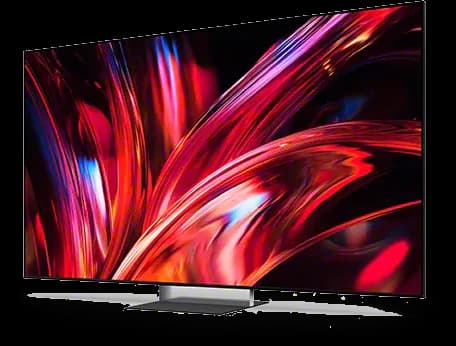
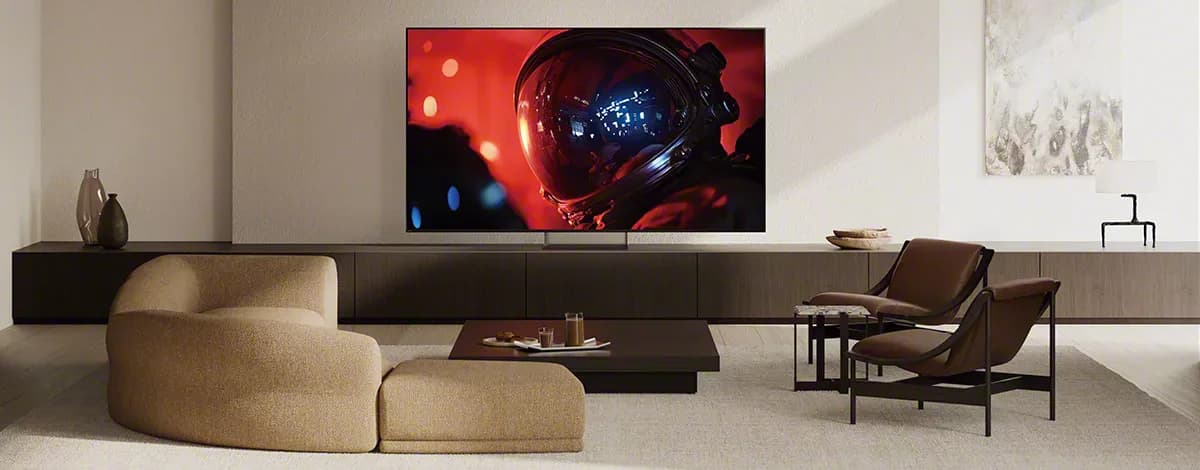
Images: Sony
- Bright room
- 5 out of 5
- Dark room
- 4 out of 5
- Movies
- 5 out of 5
- Sports
- 5 out of 5
- Gaming
- 4 out of 5
- Value
- 2 out of 5
Editorial fit scores, 1–5 — not lab measurements.
Check priceAffiliate link — opens a retailer search.
- 02
Best value
TCL QM8L
- Mini-LED QLED
- 2026
- 65–98"
- ~$1,300
Brightness that rivals sets costing more than twice as much, at roughly $1,300 for 65 inches — the value way to beat glare.
Highlights
- Highlight: Huge peak brightness and strong local dimming for the money
- Highlight: Available in very large sizes (75/85/98) at aggressive street prices
- Highlight: Good gaming feature set with high refresh and VRR
- Highlight: Google TV with a full streaming app catalog
Trade-offs
- Trade-off: Blooming and viewing angles trail premium OLEDs and Sony processing
- Trade-off: Google TV can feel less polished than webOS on some days
- Trade-off: Build and speakers are value-tier versus flagship brands
More views
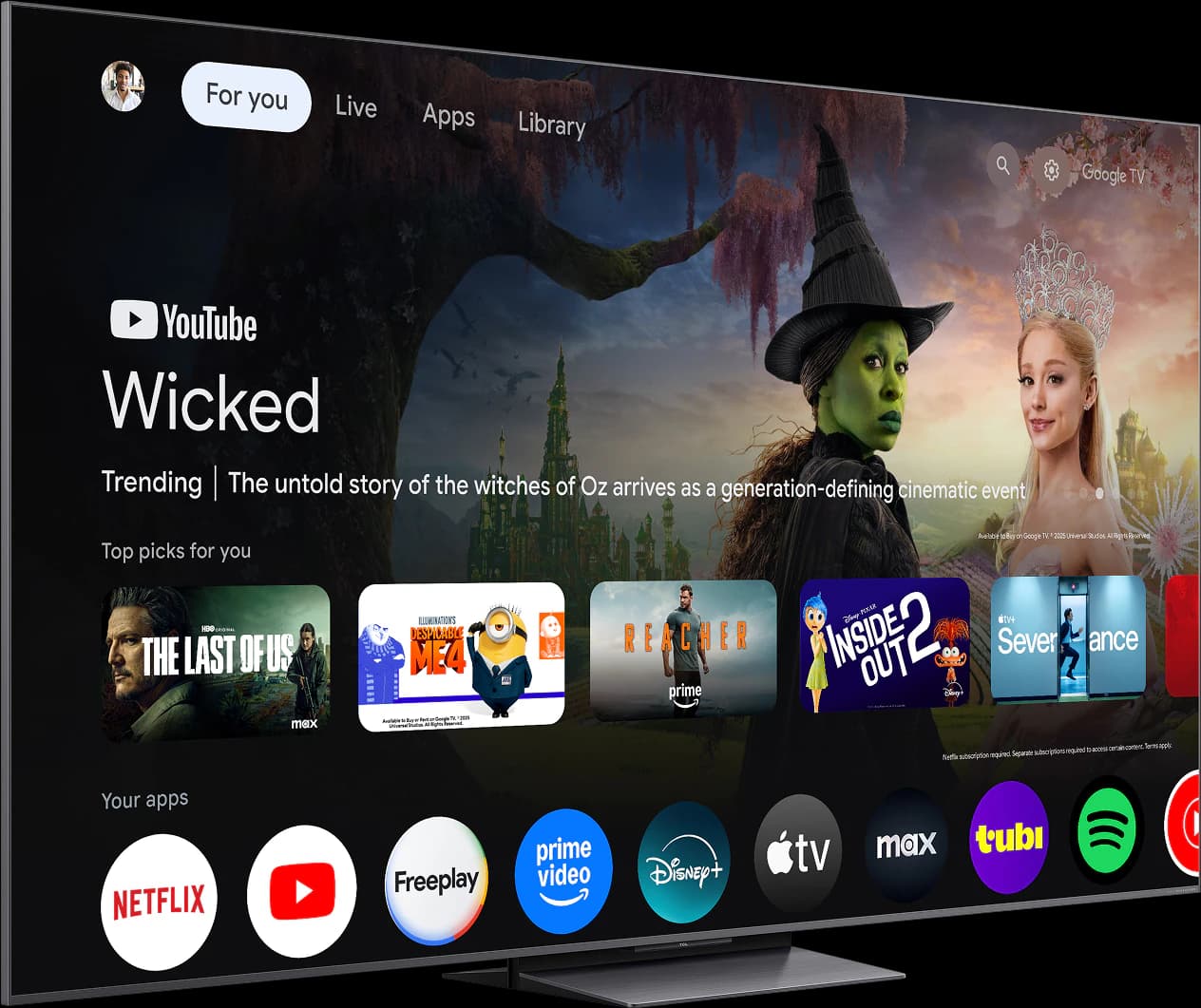
Images: TCL
- Bright room
- 5 out of 5
- Dark room
- 4 out of 5
- Movies
- 4 out of 5
- Sports
- 5 out of 5
- Gaming
- 4 out of 5
- Value
- 5 out of 5
Editorial fit scores, 1–5 — not lab measurements.
Check priceAffiliate link — opens a retailer search.
- 03
Best OLED for bright rooms
Samsung S95H OLED
- QD-OLED
- 2026
- 55–83"
- ~$3,000
Samsung's brightest OLED with its matte glare-free screen — the rare OLED that holds up in a genuinely sunny room.
Highlights
- Highlight: OLED HDR Pro brightness with Glare Free anti-reflection
- Highlight: FloatLayer gallery-like design and Art Store access
- Highlight: Ultimate Gaming Pack with 165Hz VRR support
- Highlight: NQ4 AI Gen3 processing and long software-update promise
Trade-offs
- Trade-off: Much more expensive than the S90H or LG C6 for most viewers
- Trade-off: Still no Dolby Vision
- Trade-off: Wireless One Connect box is optional and costs extra
More views
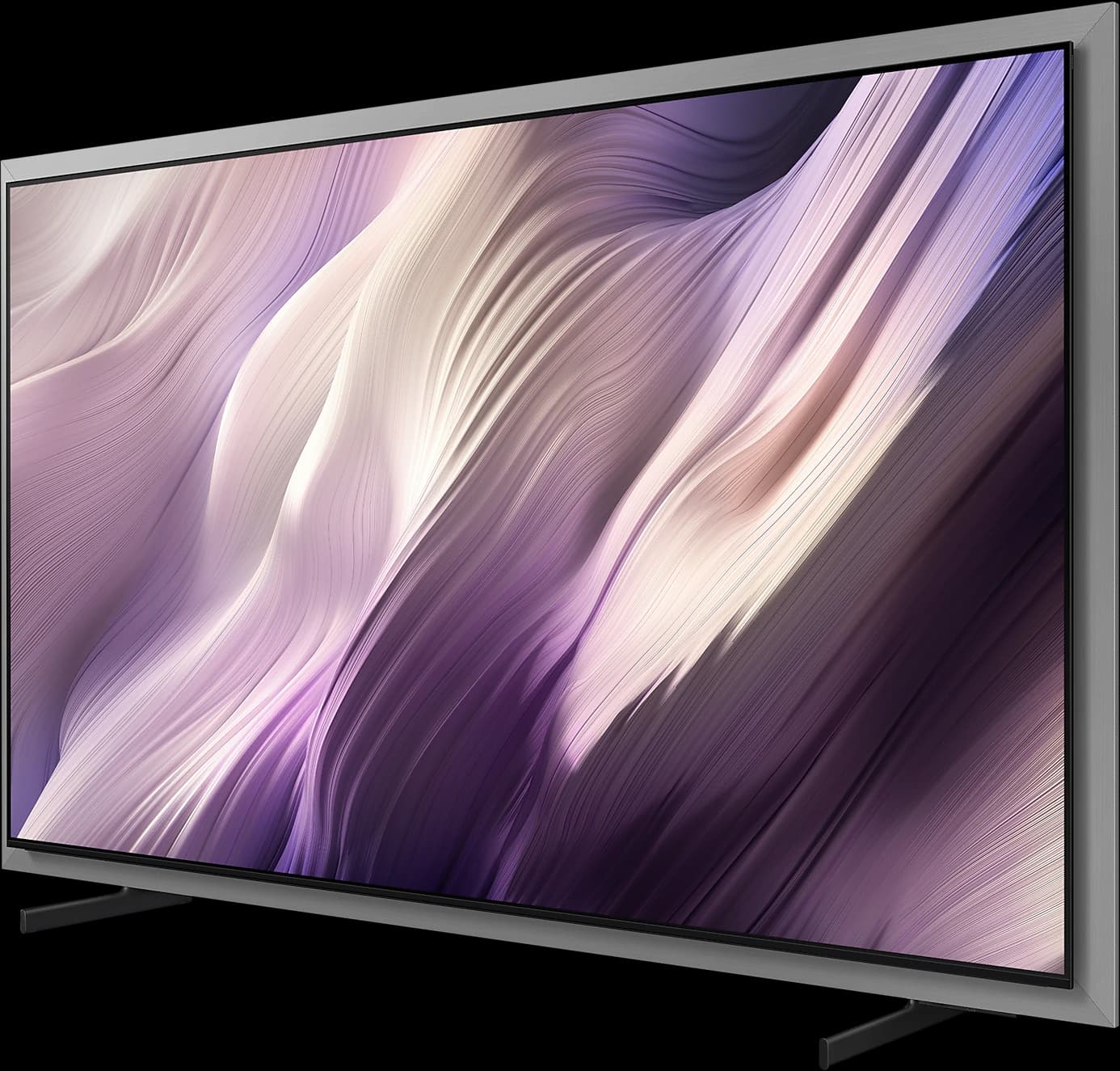
Images: Samsung
- Bright room
- 5 out of 5
- Dark room
- 5 out of 5
- Movies
- 5 out of 5
- Sports
- 4 out of 5
- Gaming
- 5 out of 5
- Value
- 2 out of 5
Editorial fit scores, 1–5 — not lab measurements.
Check priceAffiliate link — opens a retailer search.
What makes a TV good in a bright room
Two things matter most, and neither is black level. First, sustained brightness — not just a tiny peak highlight, but how bright the TV stays across large areas of the screen, like a sunlit sports field or a white web page. Mini-LEDs excel here. Second, reflection handling: a matte or strongly anti-reflective screen turns window glare into a soft haze rather than a mirror image.
- High full-screen brightness keeps daytime TV and sports vivid.
- A matte or anti-glare screen (like Samsung's glare-free OLED finish) cuts mirror-like reflections.
- Wide viewing angles keep color and contrast consistent across a big sofa.
- Good processing avoids the harsh, oversharpened look bright modes can have.
Mini-LED or OLED for a sunny room?
In the harshest daylight, a top mini-LED is still the safer pick: it simply gets brighter across the whole screen. But premium OLEDs have closed much of the gap, and Samsung's glare-free finish on the S95H is very effective at killing reflections. If your room is bright during the day but you do your serious watching at night, an OLED like the S95H gives you the best of both.
For a deeper explanation of the trade-off, see our OLED vs QLED for bright rooms guide.
Setup tips that help more than you'd think
Even the brightest TV benefits from a few placement and settings tweaks:
- Avoid placing the TV directly opposite a window; a wall perpendicular to the windows cuts reflections dramatically.
- Turn off aggressive power-saving modes during the day; they cap brightness.
- Use the TV's ambient-light-sensing mode (if it has one) so brightness rises with daylight and falls at night.
- Light-filtering shades are cheaper than a bigger TV upgrade.
Budget alternatives
Under $1,000, the Hisense U8QG and TCL QM7L are both very bright for the money and handle daylight well. They trail our picks in contrast and processing, but in a sunny room their brightness carries them a long way. See our under-$1,000 guide for details.
About the video
The embedded video is CalebRated's review of the Samsung S95H, our OLED pick here — useful for seeing how its glare-free screen behaves in real rooms.
Frequently asked questions
What's the best TV for a room with lots of windows?
A bright mini-LED with a good anti-reflective screen. The Sony Bravia 9 II is our premium pick and the TCL QM8L is our value pick. If you want OLED, the Samsung S95H's glare-free screen makes it the best option for sunny rooms.
Do matte screens make the picture worse?
Slightly, in a very dark room: matte finishes can make blacks look a touch grayish when there's a light source in front of the screen. In a bright room, the reduction in reflections is far more valuable.
How bright should a TV be for a bright room?
Brighter is better, but sustained full-screen brightness matters more than headline peak numbers. Instead of chasing spec-sheet nits (which manufacturers measure differently), look for reviews that test brightness over large areas of the screen.
Related guides
Disclosure: Our picks are independent and editorial — a synthesis of public reviews and specs, not our own lab measurements. We may earn a commission from qualifying purchases made through links on this page, at no extra cost to you.