Buying guide
OLED vs Mini-LED: Which TV Technology Should You Buy?
OLED or mini-LED? A plain-language explanation of how they differ in contrast, brightness, gaming, burn-in, and price — plus where 2026's new RGB mini-LED TVs fit in.
Nearly every good TV in 2026 is either an OLED or a mini-LED, and the marketing names — QD-OLED, Neo QLED, SQD Mini-LED, True RGB — make it harder than it needs to be. Underneath, there are really only two approaches: pixels that make their own light, and an LCD lit by a grid of tiny LEDs. Which one suits you depends mostly on your room.
This guide is an editorial explainer drawing on published professional reviews and manufacturer specs, not our own lab measurements. Prices mentioned are rough 65-inch estimates from our October 5, 2026 research.
The short list
| # | Best for | TV | Est. price | |
|---|---|---|---|---|
| 01 | Best OLED for most people | 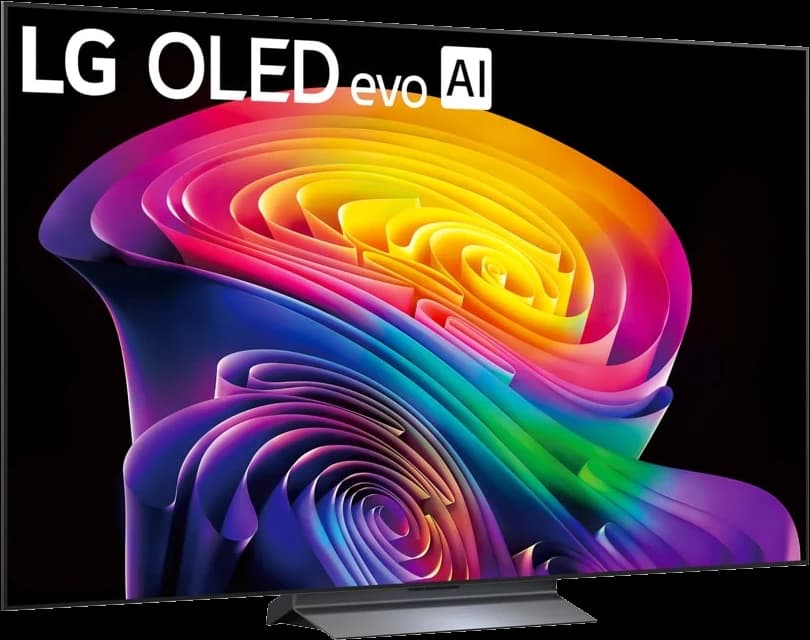 | OLED | ~$1,500 |
| 02 | Best mini-LED value | 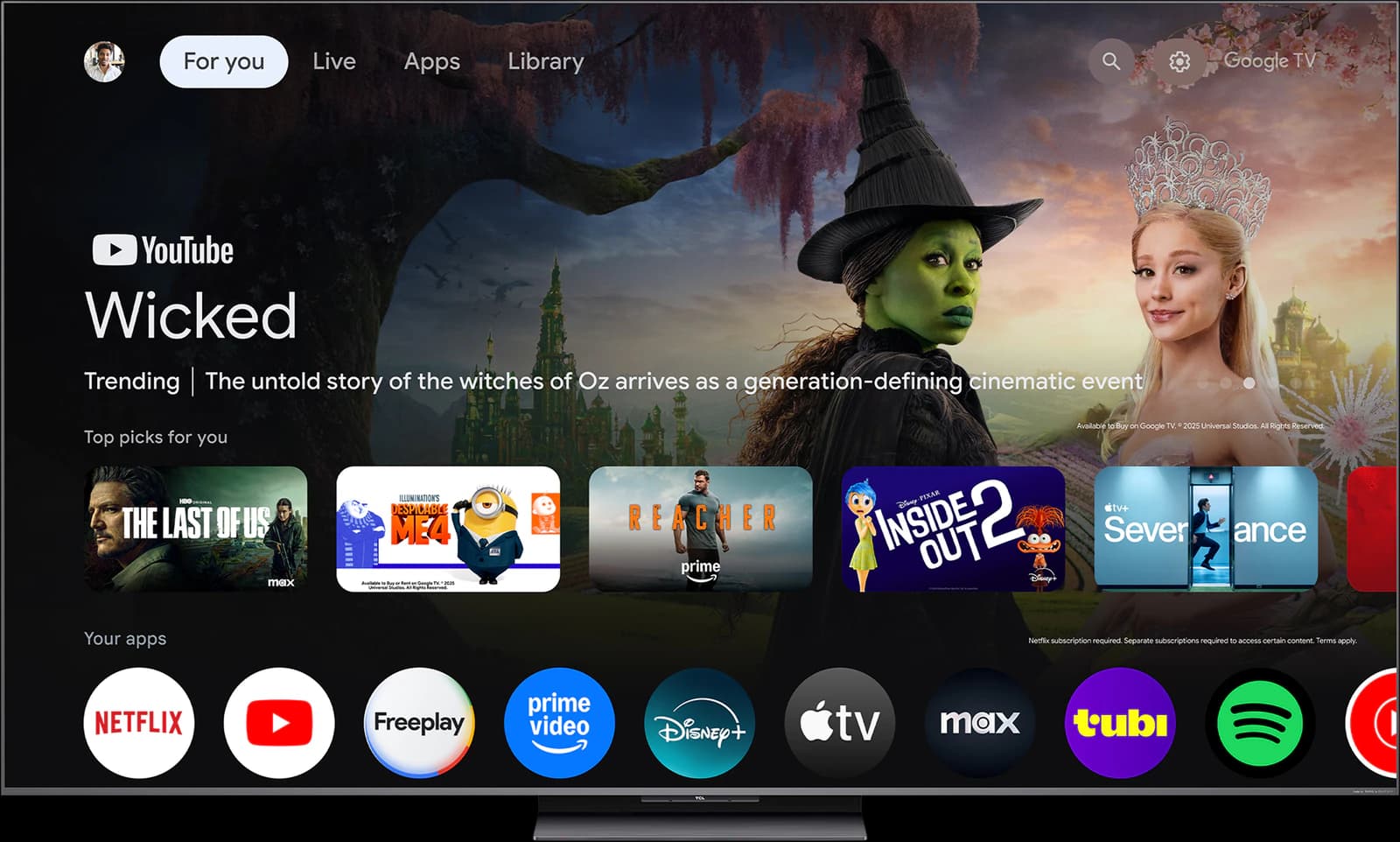 | Mini-LED QLED | ~$1,300 |
| 03 | Best of the new RGB mini-LEDs | 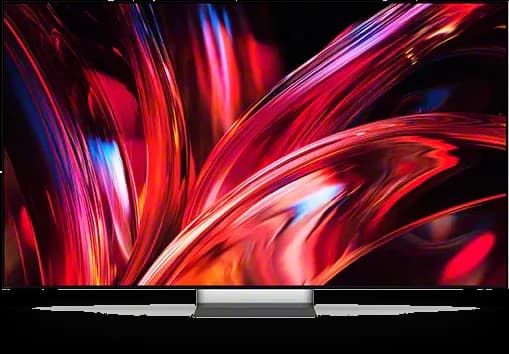 | RGB Mini-LED | ~$3,600 |
Prices are rough street-price estimates, not live quotes.
Ranked
Our picks
- 01
Best OLED for most people
LG C6 OLED
- OLED
- 2026
- 42–83"
- ~$1,500
The benchmark mid-range OLED: perfect blacks, great gaming features, and around $1,500 at 65 inches.
Highlights
- Highlight: Per-pixel OLED contrast with perfect blacks for dark-room movies
- Highlight: Four HDMI 2.1 ports with up to 4K/165Hz, VRR, G-Sync, and FreeSync
- Highlight: Dolby Vision (including Dolby Vision gaming on Xbox) plus Filmmaker Mode
- Highlight: Alpha 11 AI Processor Gen3 and a mature webOS platform
Trade-offs
- Trade-off: Not as bright as mini-LED or glare-free QD-OLED rivals in a sun-filled room
- Trade-off: Glossy screen can pick up reflections in bright rooms
- Trade-off: Static logos left on for many hours a day carry a small long-term burn-in risk
- Bright room
- 3 out of 5
- Dark room
- 5 out of 5
- Movies
- 5 out of 5
- Sports
- 4 out of 5
- Gaming
- 5 out of 5
- Value
- 4 out of 5
Editorial fit scores, 1–5 — not lab measurements.
Check priceAffiliate link — opens a retailer search.
- 02
Best mini-LED value
TCL QM8L
- Mini-LED QLED
- 2026
- 65–98"
- ~$1,300
A very bright quantum-dot mini-LED with strong local dimming at a price well below most OLEDs.
Highlights
- Highlight: Huge peak brightness and strong local dimming for the money
- Highlight: Available in very large sizes (75/85/98) at aggressive street prices
- Highlight: Good gaming feature set with high refresh and VRR
- Highlight: Google TV with a full streaming app catalog
Trade-offs
- Trade-off: Blooming and viewing angles trail premium OLEDs and Sony processing
- Trade-off: Google TV can feel less polished than webOS on some days
- Trade-off: Build and speakers are value-tier versus flagship brands
More views
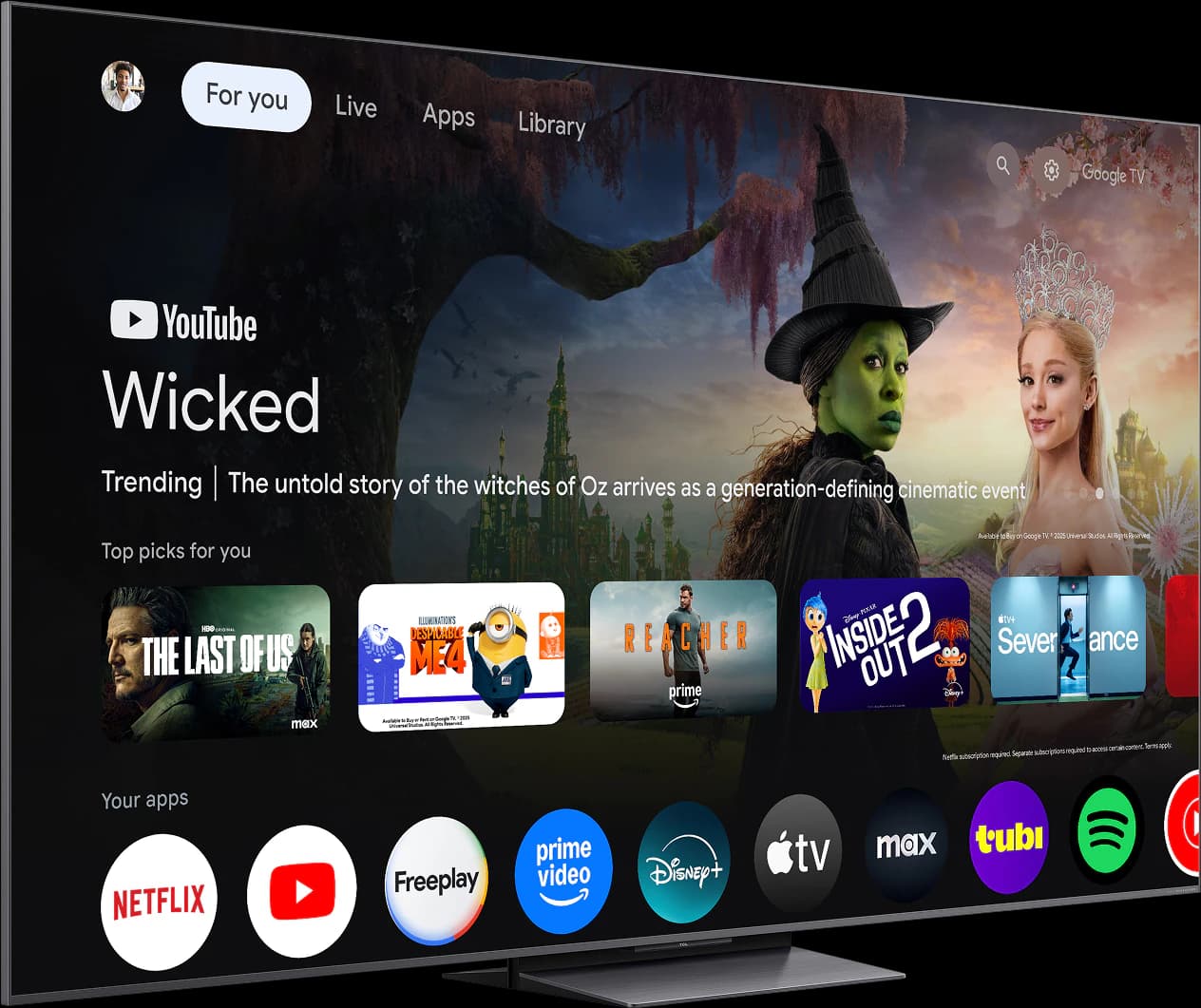
Images: TCL
- Bright room
- 5 out of 5
- Dark room
- 4 out of 5
- Movies
- 4 out of 5
- Sports
- 5 out of 5
- Gaming
- 4 out of 5
- Value
- 5 out of 5
Editorial fit scores, 1–5 — not lab measurements.
Check priceAffiliate link — opens a retailer search.
- 03
Best of the new RGB mini-LEDs
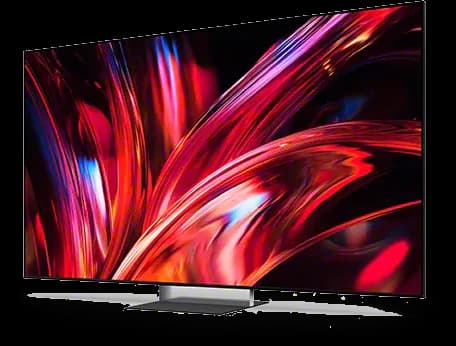
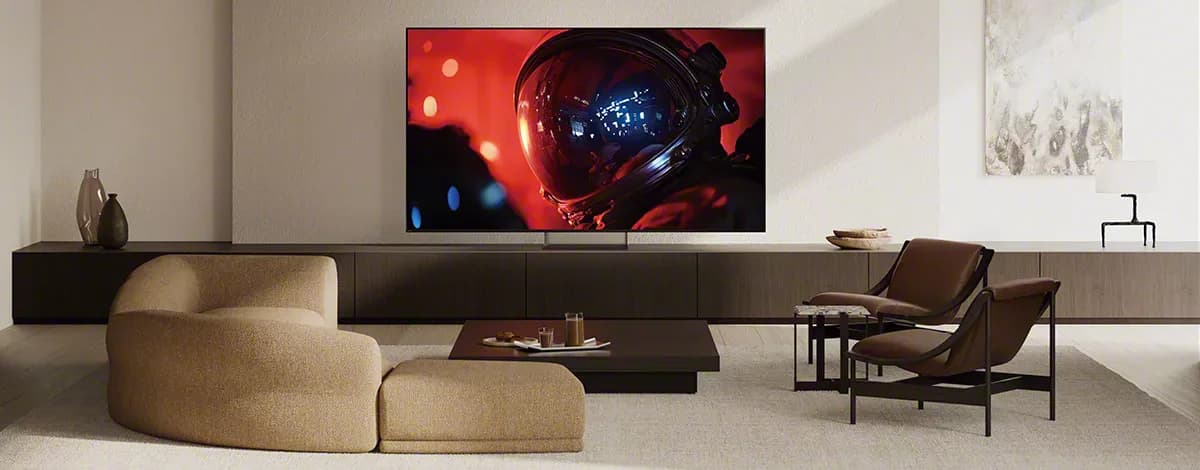
Sony Bravia 9 II
- RGB Mini-LED
- 2026
- 65–85"
- ~$3,600
Sony's flagship uses separate red, green, and blue LEDs in its backlight for brighter, richer color — the high end of what LCD can do in 2026.
Highlights
- Highlight: True RGB Mini-LED backlight for high brightness and wide color
- Highlight: Class-leading Sony processing, motion, and reflection handling
- Highlight: Superb for sports and daytime movie watching
- Highlight: Google TV plus ATSC 3.0 on many sizes
Trade-offs
- Trade-off: Expensive — often thousands above value mini-LEDs like the TCL QM8L
- Trade-off: Only two HDMI 2.1 ports
- Trade-off: Some blooming is inherent to LCD local dimming versus OLED
More views
Images: Sony
- Bright room
- 5 out of 5
- Dark room
- 4 out of 5
- Movies
- 5 out of 5
- Sports
- 5 out of 5
- Gaming
- 4 out of 5
- Value
- 2 out of 5
Editorial fit scores, 1–5 — not lab measurements.
Check priceAffiliate link — opens a retailer search.
How each technology works
OLED (organic light-emitting diode) TVs have no backlight: each of the roughly 8 million pixels in a 4K panel makes its own light and can switch fully off. LG-style OLEDs (often called WOLED) use white subpixels with color filters; Samsung and Sony's QD-OLEDs use a blue OLED layer with quantum dots to produce brighter, more saturated color.
Mini-LED TVs are LCDs. A layer of liquid crystals controls the picture, and behind it sits a backlight of thousands of tiny LEDs grouped into dimming zones that brighten and darken with the image. Quantum-dot film boosts color — that's the "QLED" or "QD" in many names. The newest flagships, like Sony's Bravia 9 II, go further with RGB mini-LED: red, green, and blue LEDs in the backlight instead of blue or white ones.
Contrast and black levels
This is OLED's home turf. Because each pixel is its own light source, a star field, a letterboxed movie, or a dark game level shows true black next to bright detail, with no halos. Mini-LEDs get impressively close with many dimming zones, but you can still see some blooming — a faint glow — around bright objects on black, like subtitles or a moon in a night sky. Better models with more zones and smarter algorithms minimize it.
Brightness
This is mini-LED's home turf. A good mini-LED can sustain far more brightness across the whole screen, which matters for daytime viewing, sports, and HDR highlights. OLEDs have improved every year — brighter panels and anti-glare finishes on models like Samsung's S95H — but in a sun-filled room, a top mini-LED still looks punchier.
Gaming, motion, and burn-in
OLED pixels respond almost instantly, so motion is extremely clean and games feel crisp. Mini-LEDs are slower to change pixel states, which can add a little blur in fast scenes, though input lag on both types is very low in game mode.
Burn-in is OLED's main asterisk. Static elements — channel logos, news tickers, game HUDs, PC taskbars — shown for many hours daily can eventually leave faint permanent ghosts. Modern OLEDs mitigate this well, and for varied viewing it's a small risk. Mini-LEDs can't burn in.
Which should you buy?
Match the technology to your room and habits:
- Dark or dim room, movies and games: OLED (LG C6, or LG B6 to save money).
- Bright room, daytime TV and sports: mini-LED (TCL QM8L, Hisense U8QG).
- Mixed lighting: a bright QD-OLED like the Samsung S90H, or a premium mini-LED like the Sony Bravia 5.
- Lots of static content (news, PC use): mini-LED.
- Very large screens (75 inches and up) on a budget: mini-LED.
About the video
The embedded video from Smart Home Sounds pits the Sony Bravia 9 II against LG's G6 and Samsung's S99H OLEDs — a useful look at whether 2026's RGB mini-LED can really rival the best OLEDs.
Frequently asked questions
Is QLED the same as mini-LED?
Not exactly. QLED means an LCD TV with a quantum-dot layer for better color. Mini-LED describes the backlight — many small LEDs in dimming zones. Most good QLEDs today also use mini-LED backlights, which is where the big contrast and brightness gains come from.
Is RGB mini-LED better than OLED?
It's brighter and can produce very vivid color at high brightness, which helps in bright rooms. OLED still has the edge in per-pixel contrast and viewing angles. RGB mini-LED is new and premium-priced in 2026, so for most budgets the choice is still OLED vs conventional mini-LED.
Which lasts longer, OLED or mini-LED?
Both should last many years of normal use. OLED's specific risk is burn-in from static images; mini-LED's is gradual backlight wear, which is rarely an issue in practice. Warranty terms vary by brand — check before you buy.
Related guides
Disclosure: Our picks are independent and editorial — a synthesis of public reviews and specs, not our own lab measurements. We may earn a commission from qualifying purchases made through links on this page, at no extra cost to you.